
 Society for the Confluence of Festivals in India
Rakhi Purnima
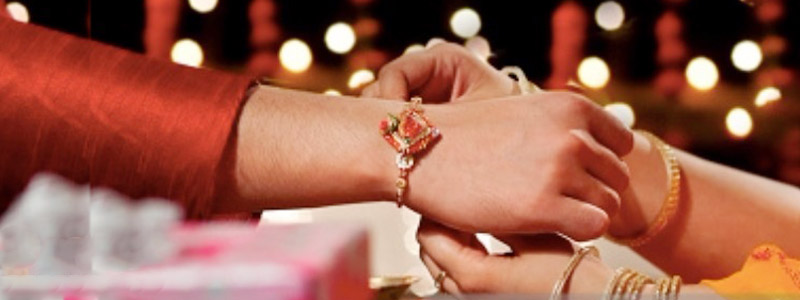
The festival is also known as Rakhi Purnima as it falls on the full moon day of the Hindu month 'Shravana'. The month of Shravana is the month of gods and pujans (worships) and the full moon day being the most important day of all. Rakhi Purnima is important in more than one way. Since, the festival is celebrated in many states, it is known with many names and rituals but the only thing that does not change is the prayer and pledge for the protection of siblings.
Different regions have different beliefs pertaining to Raksha Bandhan and follow different rituals. In the Western Ghats, rakhi is considered to be an offering to Lord Varuna - the Lord of the sea. Lord Varuna is offered Coconuts. On this day, coconuts are thrown into the sea as a ritual. Here, the festival of Rakhi is known as Nariyal Purnima, and it is also marks the beginning of the fishing season.
Avani Avittam in South IndiaIn South India, Raksha Bandhan is called Avani Avittam. The festival is important for Brahmins. They first take a holy bath and then change their holy thread (Janeyu) amid chanting the mantras. They take a pledge to perform the brahmanik duties as prescribed in the holy books and adopt a good conduct and dignity. The Janeyu is a representation of the vow for adherence to vedic culture, observance of Hindu traditions and service to humanity. The ceremony is called Shravani or Rishi Tarpan. All Brahmans celebrate it in the same way.
Kajari Purnima in North IndiaKajari Purnima is the name by which the festival of Rakhi is known in North India. The festival is celebrated when wheat and barley are sown in this region. Goddess Bhagwati is worshipped and farmers seek her blessings for a good crop. The name Baleva signifies the might of King Bali and his devotion to lord Vishnu and Goddess Laxmi.
In Gujarat people offer water to the Shivalinga every Monday of the month. On Rakhi Purnima they offer water and pray to God for forgiveness. In one ceremony known as Pavitropana, a few twisted filaments of cotton are soaked in panchagaivya (mixture of cow's ghee, milk, curd, urine and excreta) and then fastened around a shivalinga.
In Scriptures, Raksha Bandhan is described as 'Punya Pradayak' which means a day that bestows boons to the generous 'Vish Tarak' the destroyer of venom or the vicious 'Pap Nashak' the destroyer of sins.
Rakhi Festival Fun
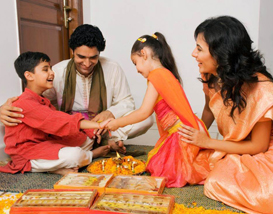
Traditions & Customs
The festival of Raksha Bandhan is entirely dedicated to the love and affection... Know more
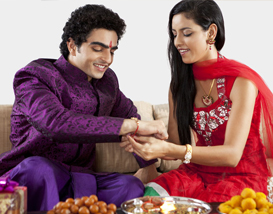
Rakhi Celebrations
In India, Rakhi celebrations are about strengthening the bond of love... Know more
Rakhi Recipes
Rakhi is an auspicious festival that holds a special significance in Indian culture... Know more
Weekly Rakhi Message
Dear Sanjay, I don't know how to express my love towards you. I have writtens... Know more
Return Gift Traditions
Raksha Bandhan is the perfect time to strengthen the relationship of a brother... Know moreKnow Rakhi Festival
- Raksha Bandhan in History
- The Legends of Rakhi
- Traditions & Customs
- Meaning & Significance
- Rakhi Celebrations
- Rakhi Purnima
- Regional Significance
- Rakhi
- Rakhi for Brother
- Avani Avittam / Upakramam
- Kajari Purnima
- Narial Purnima
- Pavitropana
- Rakhi in India
- Raksha Bandhan 2024
- Rakhi Gift Traditions
- Rakhi Gift Ideas
- Rakhi Return Gift Traditions
- Raksha Bandhan Quotations
- Raksha Bandhan Songs
- Essays on Rakhi
- How to make a Rakhi
- How to make a Rakhi Card
- Rakhi Recipes
- Rakhi Cards
- Rakhi Wallpapers
- Rakhi Poems
- Rakhi SMS
- Rakhi Jokes
- Rakhi Messages
- Rakhi Whatsapp Messages
- Rakhi Thali Decoration
- Top Rakhi Shopping Sites in India
- Rakhi Resources
- Articles