
 Society for the Confluence of Festivals in India
Raksha Bandhan
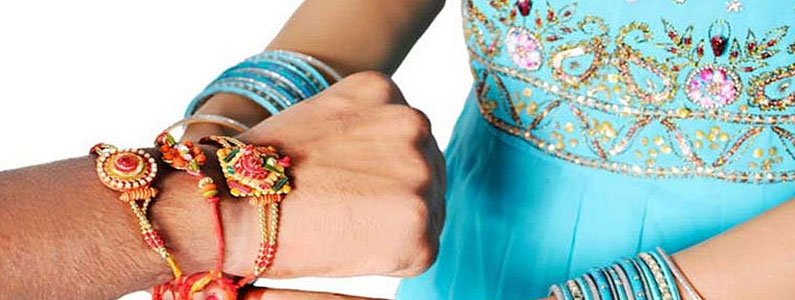
Around mid-August, Hindus all over celebrate Raksha Bandhan. "Raksha" means protection, "bandhan" means bound or binding.
In North India, the occasion is popularly called Raksha Bandhan or Rakhi, the tying of an amulet.
In ancient times a woman tied a 'raksha' on her husband's wrist to protect him from evil. Gradually this changed; she tied a 'raksha' on her brother's right wrist, to protect him from evil influence and those factors which may taint his character, and to strengthen the bond of sibling love between them. She visits her home and performs his 'pujan' by applying kumkum and rice grains on his forehead. In return the brother gives her a gift and vows to protect her too. The 'rakhadi' itself ranges from a coloured cotton string to exquisitely decorated balls of various sizes and materials such as fluffy cotton, 'zari' paper, tinsel, beads and so on.
A second sentiment relates to 'Baleva' and our devotion to the Lord. Just as Bali Raja offered devotion to Lord Narayan by sacrificing his kingdom and himself, devotees should endeavor to emulate him. That is the true spirit of Baleva.
On Raksha Bandhan day, priests also tie rakhis on their patrons and in return receive offerings from them. In some parts of the country it is customary to draw figures on the walls of their home and worship them with offerings of vermilion and kheer. The imprints of palms are also put on either side of the entrance and rakhis are stuck on them. Some parts of India also reserve this day for the sacred thread changing ceremony when the young boys discard the old one and don a new one ritualistically. However it is the symbolic everlasting bond between brothers and sisters that reinforces ties between them even across continents, which has the most significance on this auspicious day.
Rakhi Festival Fun
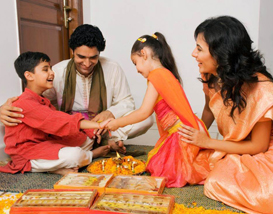
Traditions & Customs
The festival of Raksha Bandhan is entirely dedicated to the love and affection... Know more
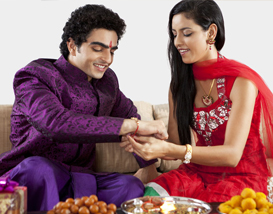
Rakhi Celebrations
In India, Rakhi celebrations are about strengthening the bond of love... Know more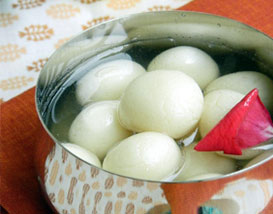
Rakhi Recipes
Rakhi is an auspicious festival that holds a special significance in Indian culture... Know more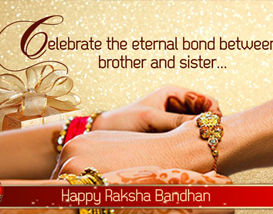
Weekly Rakhi Message
Dear Sanjay, I don't know how to express my love towards you. I have writtens... Know more
Return Gift Traditions
Raksha Bandhan is the perfect time to strengthen the relationship of a brother... Know moreKnow Rakhi Festival
- Raksha Bandhan in History
- The Legends of Rakhi
- Traditions & Customs
- Meaning & Significance
- Rakhi Celebrations
- Rakhi Purnima
- Regional Significance
- Rakhi
- Rakhi for Brother
- Avani Avittam / Upakramam
- Kajari Purnima
- Narial Purnima
- Pavitropana
- Rakhi in India
- Raksha Bandhan 2024
- Rakhi Gift Traditions
- Rakhi Gift Ideas
- Rakhi Return Gift Traditions
- Raksha Bandhan Quotations
- Raksha Bandhan Songs
- Essays on Rakhi
- How to make a Rakhi
- How to make a Rakhi Card
- Rakhi Recipes
- Rakhi Cards
- Rakhi Wallpapers
- Rakhi Poems
- Rakhi SMS
- Rakhi Jokes
- Rakhi Messages
- Rakhi Whatsapp Messages
- Rakhi Thali Decoration
- Top Rakhi Shopping Sites in India
- Rakhi Resources
- Articles